
Getting to Know the Genip Tree and its Fruit
A VInow.com community member recently asked on the Message Board;
“what are those small green fruits”?
We figured other visitors might want to know too. And the answer: Genips!
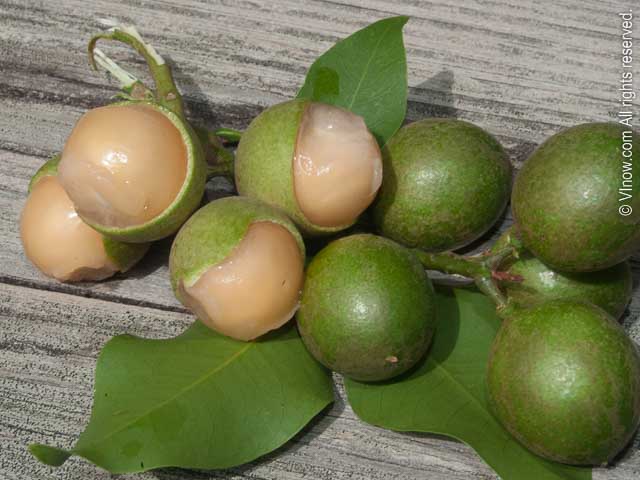
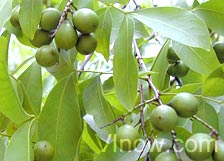
Genip trees are native or naturalized over a large part of the Caribbean, Mexico and parts of Central and South America. They can be found on many road sides and in forested areas throughout the U.S. Virgin Islands. The Genip tree can grow up to 85 feet tall and is attractive and leafy. The fruit grow in bunches and typically ripen during the late summer months. Genips are small fruit with a thin but rigid green skin. Inside the skin is usually one large seed, although it is possible to have two seeds. The seed is covered with a slimy peach colored flesh. It is juicy but limited and somewhat fibrous. When ripe the flesh is sweet with a slight tart taste; when not yet ripe the tartness is more apparent.
The Art of Eating Genips: A Caribbean Tradition
To eat a Genip, break the skin with your front teeth and then gently push the two sides created just enough to pop the fleshy seed out of the shell and into your mouth. Suck and scrape the pulp off of the seed, and spit the seed out. The seed itself is white.
Harvesting Genips: A Local Ritual
Children and adults can sometimes be seen throwing sticks into Genip trees or climbing them in an effort to retrieve the fruit. More ambitious people bring sticks with hooks to gather the Genips. It is common during its fruiting season to see people selling small bunches of Genips on road sides around the islands.
Genip Relatives: From Lychee to Acke
Genip (Melicocca bijugata) is in the Sapindaceae, also known as the soapberry family, which includes some other edible fruit bearing trees such as lychee and ackee.
Experience the U.S. Virgin Islands: Taste the Authentic Genip
While visiting the U.S. Virgin Islands try some Genips, and if they are not in season try some other local fruit! If you are confident you know what the Genip tree and their fruit look like you might pick some Genips right from a tree. If in doubt, you can purchase some from a road side vendor. Look for fruit stands or for make shift Genip stands, usually just a small table with a dozen or more bunches of the small green fruits. Genips are best eaten freshly picked. They start to get wrinkled as time passes after being picked from the tree. If only a little wrinkled they still taste fine. Best bet though is to look for unwrinkled, non-cracked skin.
Navigating the Genip’s Dark Side: Its Surprising Stain Power
The juice from a Genip is clear but it will stain clothing with a dark brown, rusty color. Quite difficult, if not impossible, to remove the stain so be careful when eating them. The Arawaks were said to have used the juice as a dye.