Explore St. Thomas: Top 30 Must-Visit Attractions in the U.S. Virgin Islands
Your vacation is booked, and now you are wondering about sightseeing and what to do in St. Thomas. You can explore some of the parks and reserves on a kayak excursion or a nature hike. You can learn about the fascinating marine animals at Coral World or take the tramway to Paradise Point for amazing views of the harbor.
Embrace the Island’s Beauty and History
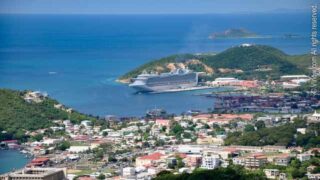
Beautiful vistas are plentiful, and an island drive makes seeing them easy. Head to the hills on St. Thomas for stunning views from Mountain Top or Drakes seat; alternatively, indulge in the charm of the capital, Charlotte Amalie. The town is filled with history. There are old churches, historic houses, watch towers, and Fort Christian! Visit popular areas like Frenchtown and Red Hook for a lunch break or a stroll. There are small history museums, art galleries, a genealogy library, a pirate museum, and more. Find some of our favorite attractions around St. Thomas below.
Coral World Ocean Park
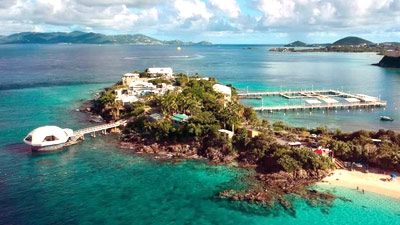
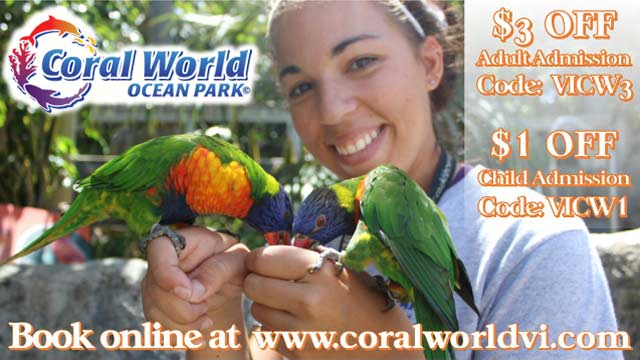
Spend the day at Coral World Ocean Park, one of St. Thomas's Greatest Attractions. Get up close and personal with the beauty and magic of Caribbean marine life in a stunning setting. View life on a coral reef from the unique Underwater Observation Tower. Hand feed a stingray or a rainbow lorikeet! There are several gift shops, cafes, and shower facilities. Exciting activities include Dolphin Swim, Sea Lion Swim, Shark Encounter, Sea Trek and SNUBA. Located next to Coki Beach. Visit our website or FB page for more information.
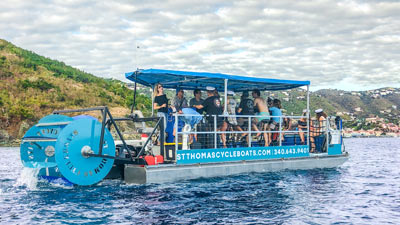
If you’re looking for a truly unique and exciting boat tour, be sure to come experience the VI’s first Cycleboat. It’s a boat, a bike and a bar, all in one! We offer two tours, and a sunset cruise. Our 2-hour tour travels along the Charlotte Amalie Harbor where you’ll take in the beautiful sights while listening to your favorite party tunes and enjoying our fresh Rum Punch. Our 3-hour trip to Water Island allows you to swim, snorkel, eat lunch and bar hop. The boat holds 16 people. Book a seat today or rent the entire boat. DRINK. PEDAL. PARTY! with St. Thomas Cycleboats.
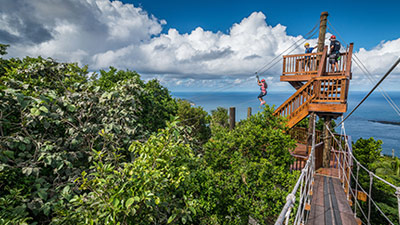
Tree Limin' Extreme Zipline Park
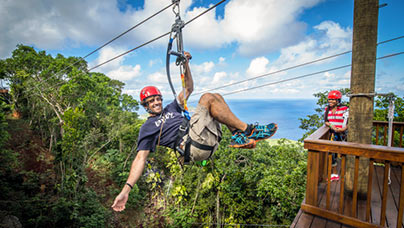
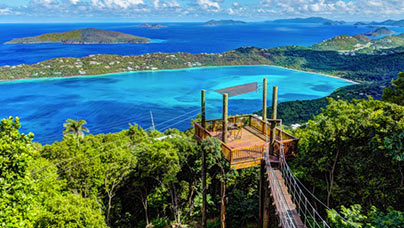
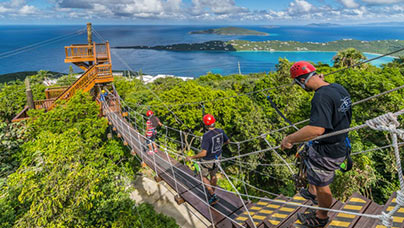
Soar through the rainforest on a 2 ½ hour zipline canopy tour starting with a wild ride to the top of St Peter Mountain. Take in the breathtaking views of Magens Bay and the BVI’s from 8 aerial platforms, fly high above the forest on six exhilarating ziplines and soak up the sun on our two incredible skybridges as your ACCT trained guides lead you through this experience of a lifetime! The grand finale is the world famous Yo-Yo zip. It’s the only of its kind in the Caribbean. It allows you to travel backwards and forwards on the same line delivering the ultimate zip trip!
Drake's Seat
Northside

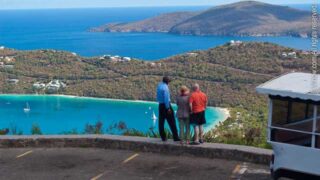
St. Thomas’s Legendary Scenic Lookout, The View & The Story Drake’s Seat Scenic Lookout is located on the Nothside of St. Thomas in the US Virgin Islands...
Red Hook
East End
Red Hook is the proverbial anchor of the East End of St. Thomas. The little hub packs in a lot! There is: a marina; fishing and boating excursions; ferries;...
Skyline Drive Overlook
NorthsideSt. Thomas is mountainous and offers beautiful views. The most popular lookouts are Drakes Seat and Skyline Drive Overlook. Skyline Drive Overlook offers a panoramic harbor view including Charlotte...Frenchtown
Frenchtown
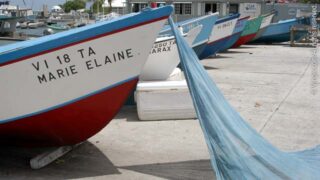
Frenchtown was settled by immigrants from the French Caribbean island of St. Barthelemy in the late 1800's through mid 1900's. The area became a fishing village. The French community...
Bluebeard's Castle
Town
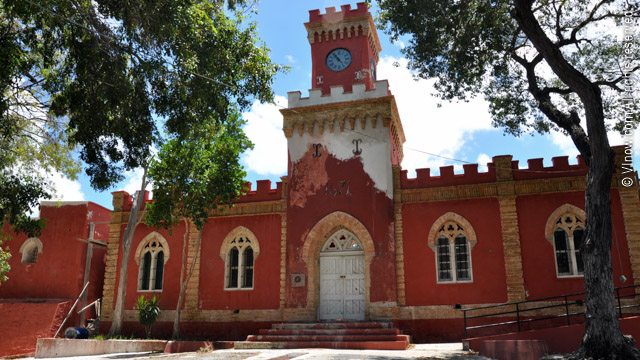
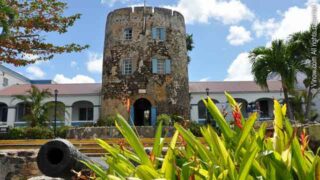
Local legend says pirate Bluebeard built the tower! History says the Danes built it around 1689 as a watchtower. It was called Frederik's Fort and is on the site...
Colossal Cruise Ships
Crown Bay
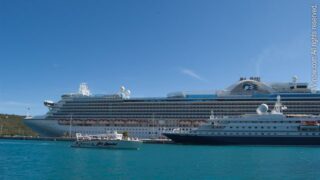
The scene within the Charlotte Amalie harbor on most days of the year includes large cruisers. From a distance these engineering marvels look pretty big; but stand close to...
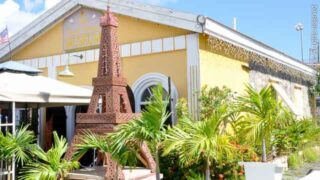
French Heritage Museum
Frenchtown
The French Heritage Museum is housed in two small houses; both are fine examples of traditional vernacular architecture once common in Frenchtown; and to some degree still in use...
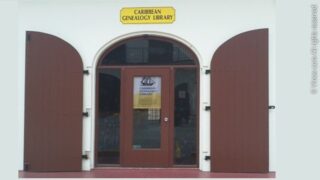
Caribbean Genealogy Library
Mid Island
The Caribbean Genealogy Library is a treasure trove for genealogists and historians. Its mission is: to identify, preserve, and provide access to Caribbean genealogy, history, and cultural heritage information...
More Attractions: Charlotte Amalie