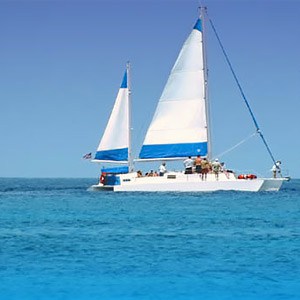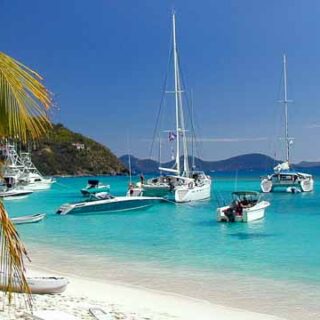
The Virgin Islands are among the world’s loveliest cruising grounds for charters and yachts, primarily because of the dozens of pretty islands that exist. The chain of islands and cays is, however, part of two different countries; some islands are part of the American Virgin Islands and some the British Virgin Islands. St. Thomas and St. John, both in the US Virgin Islands, are ideal for day trips to the BVI. On a British Virgin Islands boat tour, you can visit the Baths on Virgin Gorda, picturesque Sandy Spit, the legendary beach bars on Jost Van Dyke, Willy T off of Norman Island, Cane Garden Bay on Tortola, or snorkel at the Indians. BVI day trips from St. Thomas and St. John are usually a full day excursion. We include some of the best BVI boat trips available so that you can explore your options.
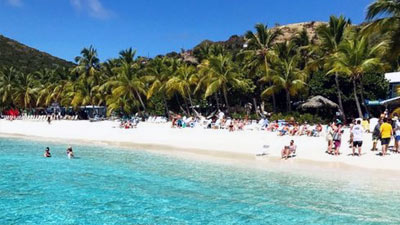
Local Legend Charters
Back in the BVI! We are a locally owned and family operated charter boat company offering unique day trip adventures throughout the USVI and BVI. Based in St. Thomas we are proud to have some of the most skilled and experienced captains in the business. Our captains are all U.S. Coast Guard licensed and have expert local knowledge of our waters having been raised and trained in the Virgin Islands by generations of accomplished sailors. Our comfortable 32-foot center console Cape Horn powerboats ensure a fun and smooth ride as you explore secret coves, beautiful beaches, hidden grottos, and other incredible destinations. Offering private customizable trips and shared per person trips.
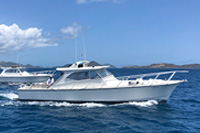
Scheduled BVI Tours at Per Person pricing. Our trips take only a maximum 12 people per charter! We can take you on a Personalized Guided Tour through The Baths on Virgin Gorda, a BVI Beach Bar Hop to some of the world most famous Beach Bars, or snorkeling to some of the most beautiful caves or reefs only accessible by boat. Have a larger group and want to do a Private Charter? We can do that too! We are locally owned, and family operated. Our crews look forward to making your boat day the best day of your vacation.
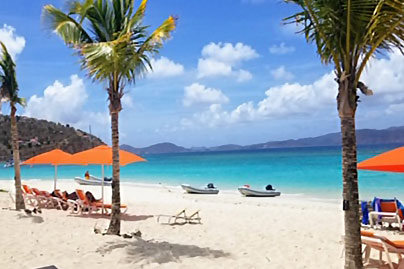
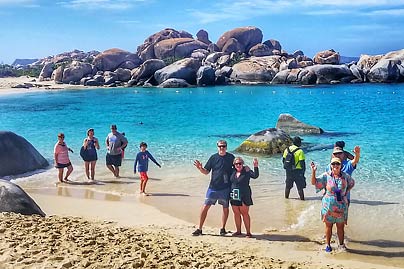
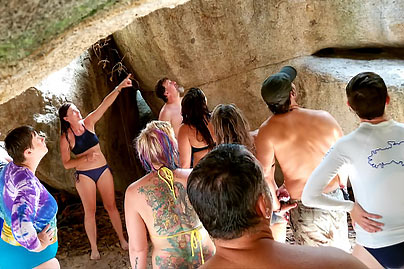

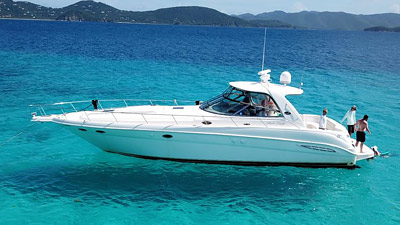
Back in the BVI! What do Brad Pitt, Kenny Chesney, and Cate Blanchett all have in common? They all cruised on Take it Easy! Explore the islands in luxury! Completely customizable charters around St. Thomas, St. John and the BVI; the day is yours! Whether it's with family, friends, a wedding party, or private getaway; you will surely enjoy the crystal blue waters and the warm Caribbean sun with TAKE IT EASY. Two luxurious Sea Rays available; accommodating 12 passengers each in comfort and style. Full bar and light snacks included. Learn more on our website, and check out our excellent reviews on Trip Advisor!

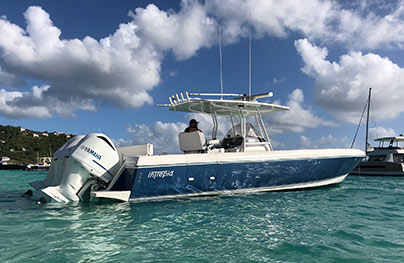
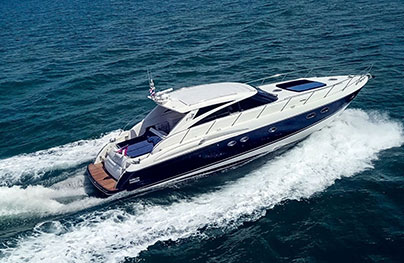
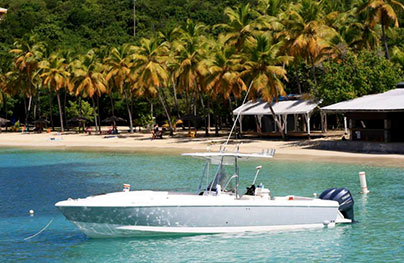
Back in the BVI! Sonic Charters has a full suite of offerings for day charters to the US and British Virgin Islands. The company offers private, custom day trips on their 32' Intrepid, center console, 33' Jupiter, and 37' center console powerboats as well as offer a 50' Sea Ray and 58' Viking Princess Yachts for more luxurious experiences. With five boats to choose from, Sonic has something for everyone and can cater to couples on their honeymoon to extended families of 12!

How many islands make up the BVI?
The British Virgin Islands are made up of about 50 islands and islets. The four main islands are Tortola, Virgin Gorda, Jost Van Dyke, and Anegada. Tortola is the largest with an area of 21 square miles, followed by Anegada at 15 square miles, Virgin Gorda at 8 square miles, and Jost Van Dyke at 3 square miles.
Smaller BVI islands include:
Great Tobago, Peter Island, Cooper Island, Norman Island, Guana Island, Beef Island, Great Thatch, Scrub Island, Sandy Cay, The Indians, Salt Island, Nanny Cay, Marina Cay, Bellamy Cay, Buck Island, Mosquito Island, Necker Island, Prickly Pear, Round Rock, Saba Rock, Sandy Spit, Frenchman’s Cay, Little Wickam’s Cay, George Dog Island, Ginger Island, Great Camanoe, Great Dog Island, Green Cay, Carvel Rock, Cockroach Island, Dead Chest Island, East Seal Dog Island, Eustatia, Fallen Jerusalem, Little Camanoe, Little Cay, Diamond Cay, Dog Islands, Little Jost Van Dyke, Little Thatch, Little Tobago, Old Jerusalem Island, Oyster Rock, Pelican Island, and West Dog Island. Wickams Cay and two other small cays, Bird Cay and Dead Horse Cay, were part of a land reclamation project and are today part of Road Town, Tortola.
Take a BVI day trip while vacationing in the US Virgin Islands. You can go from St. Thomas to Tortola, visit Jost Van Dyke from St. John, or do a multi-stop BVI charter. You will have an amazing time island hopping in the British Virgin Islands.
Is One Day of Boating in the BVI Not Enough, Consider a Yacht Charter!