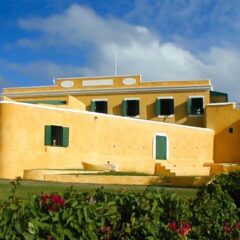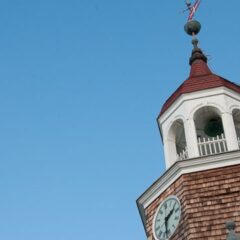
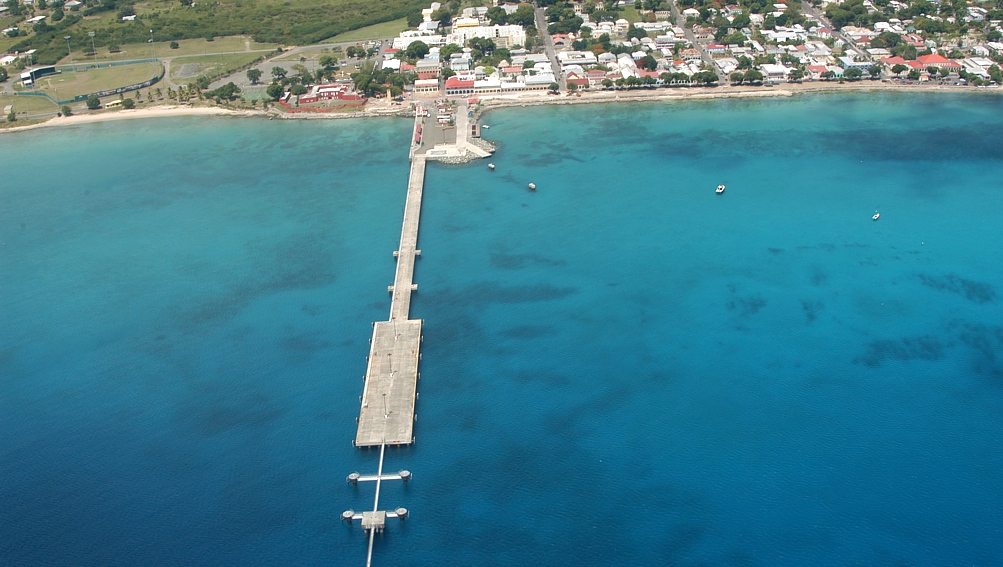
Frederiksted is a picturesque waterfront town. It was established in 1751, and it is the second-largest town in St. Croix. It is a lovely historic town that is easily explored in one day. Federiksted is built in a Victorian style; this was the style chosen after the original buildings were destroyed in a fire in 1758. Centuries ago, Federiksted competed with Christiansted as a port of trade; Christiansted became the more important of the two. However, Federiksted would also have its day of glory and it’s mark in history. The fort at Federiksted fired the first foreign salute in honor of America in 1776. It is still called the Freedom City, a name it earned as an ally to the British colonies that became America.
Fort Frederik
Fredericksted A National Historic Landmark, the red and white Fort Frederik was built in the 1750's to ward off pirates. It is an excellent place to visit and learn about...
Historical Buildings of Frederiksted
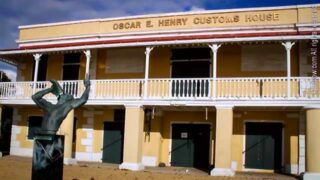
FrederickstedThere are many historical buildings in Frederiksted that have been converted into offices and stores. The one photographed here is the Customs House on the Frederiksted Waterfront. The customs...Emancipation Park (Frederiksted)
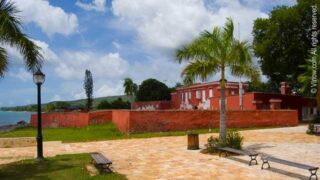
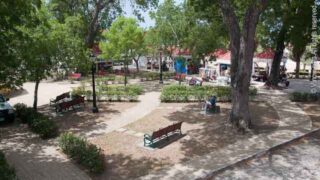
FrederickstedThe area right in front of the Frederiksted fort and waterfront has been made into a beautiful town park. It contains statues of historically important Virgin Islanders. Small paths...
More Attractions: Christiansted
Immerse yourself in the historical charm of Christiansted, with its Danish architecture, historic Fort Christiansvaern, and 27-acre waterfront historical area. Explore the unique blend of past and present in this captivating town.
Explore Christiansted